
A formal account showing how a Czech theatrical term meaning forced labor was used to name mechanical beings and later evolved into a global term associated with robotics and technology
The Narrative
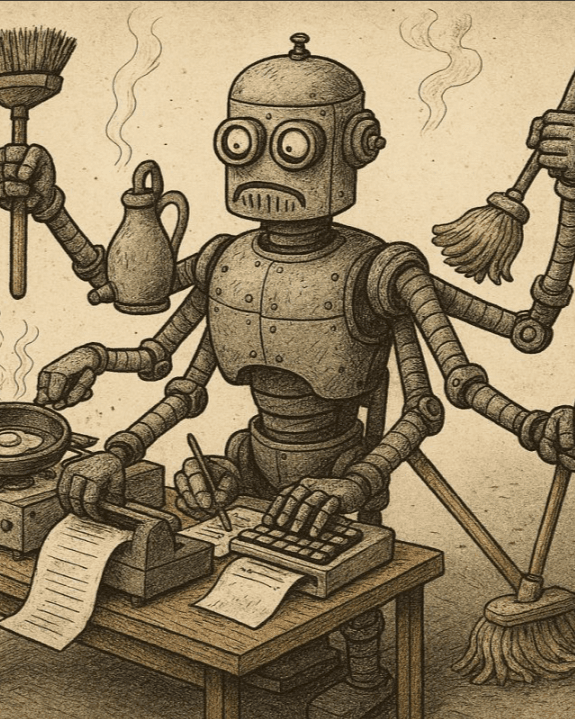
At the start of the twentieth century, theatre in Eastern Europe flourished and explored industrial and social themes. Within this milieu, Czech writer Karel Čapek presented a play featuring human‑like machines that performed repetitive tasks without rest.
Čapek used the term "Roboti" to describe these machines, derived from a Czech word meaning forced labor or servitude. As the play circulated internationally, the term was adopted into other languages as "robot" and became the standard label for automated and programmable machines.
The episode illustrates that technical terminology can originate from cultural and literary sources, and that imaginative works may reshape meanings into concepts that later influence scientific and technological discourse.