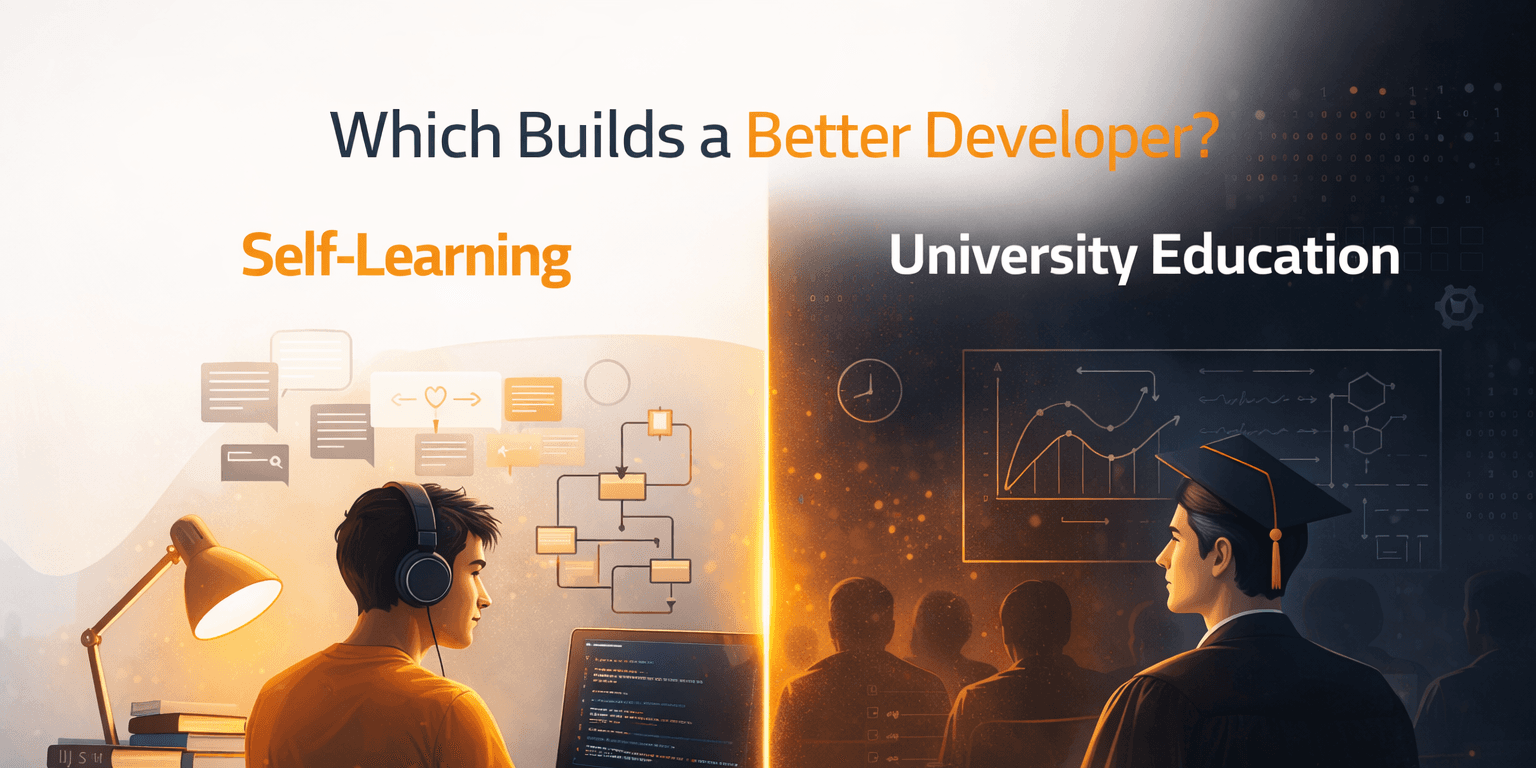
In 2026, software development is no longer what it used to be just a few years ago. It is no longer limited to writing code line by line, but instead a completely new approach has emerged, known as “Vibe Coding,” which has become one of the most talked-about concepts in the tech world today. This concept reflects a deeper shift in how humans interact with software, where the focus is no longer on writing code itself, but on expressing ideas clearly.
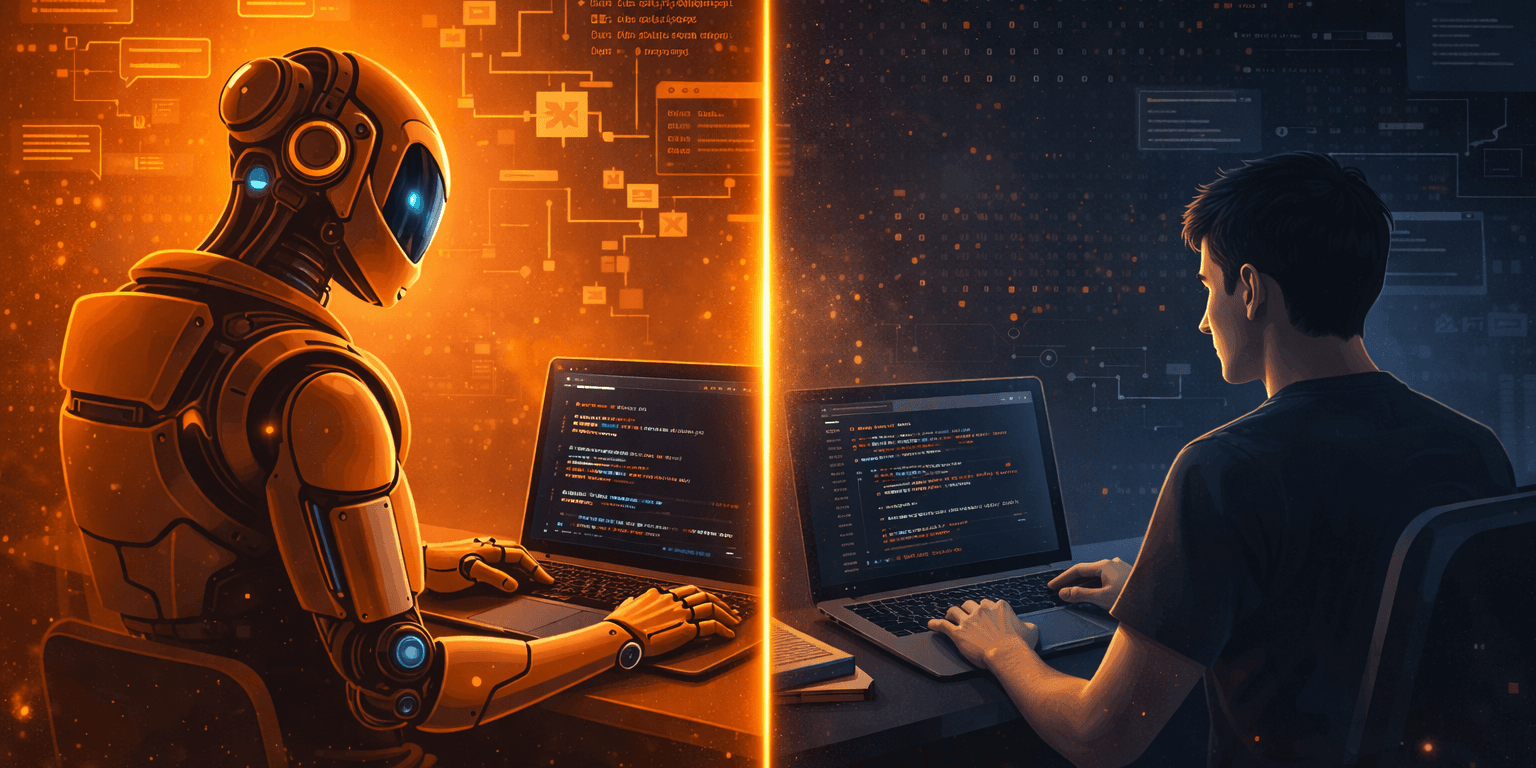
In simple terms, “Vibe Coding” refers to a development approach powered by artificial intelligence, where a user describes what they want to build using natural language, and AI takes care of transforming that description into working code. In other words, humans no longer write the code directly, but instead define the intention, while AI handles the technical implementation . This shift has led many to say that “the new programming language is human language,” since interaction with computers is becoming more conversational rather than technical.
What makes this trend particularly interesting is that it did not appear suddenly, but is the result of rapid advances in AI systems capable of understanding language and converting it into actionable output. The term itself was introduced in 2025 and quickly gained traction, becoming one of the most widely discussed concepts among developers and tech companies . In a short time, it evolved from a new idea into a real workflow used daily by both professionals and non-technical users.
One of the main reasons behind the rapid adoption of “Vibe Coding” is that it significantly lowers the barrier to entering the world of programming. Today, someone with just an idea can turn it into a functional application within hours, without years of technical training. This shift has led to the rise of a new generation of “builders” who may not have traditional programming backgrounds, yet are capable of creating real products using AI. It has also changed how companies operate, where speed of experimentation and rapid prototyping has become more valuable than achieving technical perfection from the start.
However, despite these advantages, the concept is surrounded by considerable debate. The main issue with “Vibe Coding” is that users may rely on AI-generated code without fully understanding it. In such cases, the code becomes a “black box”—it works, but its internal logic is unclear, which can lead to serious challenges when errors occur or when the system needs to evolve. Research also suggests that while AI can generate code quickly, it may introduce issues related to quality, maintainability, and security if not properly reviewed .
Beyond that, there is a deeper impact on how developers think. Traditionally, programmers approached problems through structured logic, translating ideas into code step by step. Today, the process is shifting toward guiding systems rather than building them directly. This does not mean traditional skills are no longer important—on the contrary, they are becoming even more critical. The developer’s role is shifting from execution to evaluation and decision-making. The key question is no longer how to write code, but whether you can judge the quality of what is produced.
In fact, many experts argue that “Vibe Coding” does not eliminate programming, but rather redefines it. It does not replace developers, but changes their position in the workflow. Instead of being implementers, they become supervisors and orchestrators, working alongside AI systems as powerful collaborators. This transformation is similar to the transition from manual labor to machine-assisted work, where human involvement did not disappear, but became more focused on thinking rather than execution.
At the same time, this shift introduces new challenges. One of the most important is trust in AI-generated code, as relying on it without validation can lead to errors or security risks. There are also concerns about its long-term impact on the open-source ecosystem and developer communities, since users may increasingly rely on AI outputs instead of directly engaging with existing tools and resources .
On the other hand, the opportunities created by this trend are undeniable. “Vibe Coding” enables an unprecedented speed in building and testing ideas, allowing developers to focus more on creativity rather than technical implementation. It also opens the door for new groups of people to participate in building digital products, increasing innovation and diversity within the tech ecosystem.
Ultimately, “Vibe Coding” is not just a temporary trend, but a sign of a deeper transformation in how software is created. We are moving from a world where humans write code, to one where they collaborate with AI systems to build solutions.
Yet despite all this change, one fundamental truth remains the same: tools may evolve, but the ability to understand, analyze, and solve problems is what defines a developer.
And the real question today is no longer:
Can you write code?
But rather:
Can you think, guide, and build something meaningful using these tools?